

How a Pelvic Ultrasound is Used to Assess Gynaecological Health
A general pelvic ultrasound utilises a transducer to visualise and assess the pelvic organs and structure. When the transducer is pressed against the skin, it directs small pulses of inaudible, high-frequency sound waves into the body to create images of internal structures. A pelvic ultrasound allows timely evaluation and detection of underlying gynaecological complications or other medical conditions.
Pelvic Ultrasound Procedure
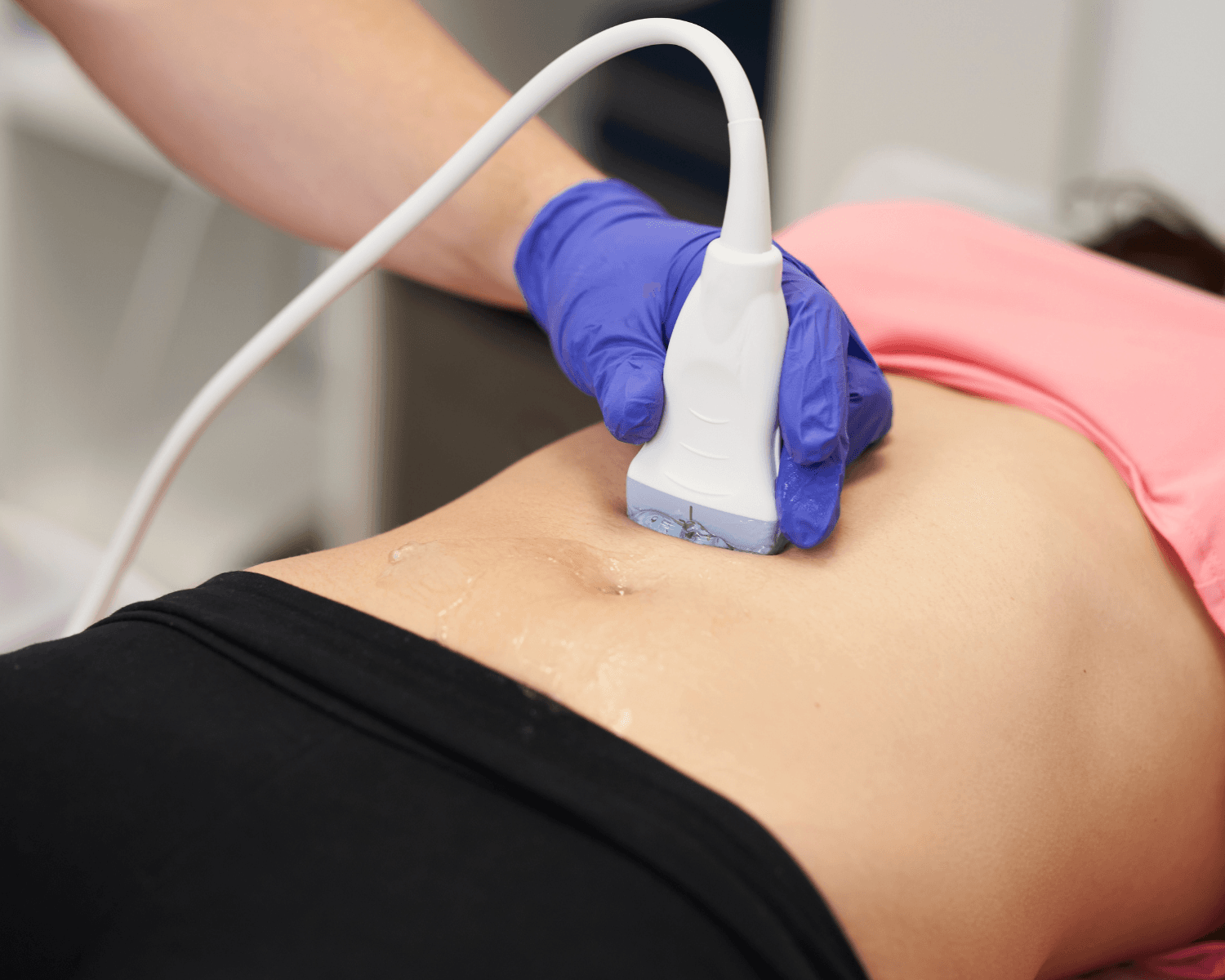
Pelvic ultrasound is a safe, non-invasive procedure in which high-frequency sound waves produce images of the structure and organs in the abdomen and pelvis.
The pelvic ultrasound scan can be performed by a transabdominal scan or a transvaginal scan, as discussed below:
- Transabdominal Scan — Performed with a transducer placed on the abdomen using the conductive gel.
- Transvaginal Scan — Uses a long, thin transducer covered with conducting gel and a plastic/latex sheath and is inserted into the vagina.
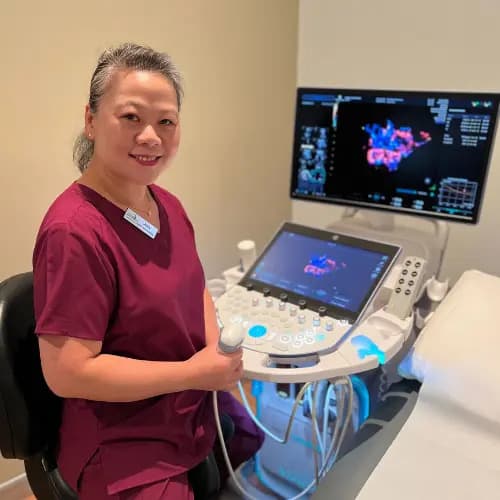
A radiologist or a sonographer specialist will interpret the ultrasound results, analyse the images and send a signed report to your primary care physician.
Complete Evaluation of Vital Areas
The scan will evaluate the size, shape and condition of the:
- Uterus/womb (Uterine lining of the womb/endometrium thickness)
- Both ovaries
- Pelvic area/adnexa
Common reasons for referral
A combination of the following symptoms typically leads to a referral:
- Pain and tenderness in the pelvic area
- Swelling and bloating
- Irregular periods
- Heavy menstrual bleeding
- Post-menopausal bleeding
- Pre-IVF cycles
- Pre-ovulation assessment
- Screening for ovarian cancer
Understanding What a Pelvic Ultrasound Can Assess
A pelvic ultrasound supports the assessment of gynaecological health by allowing detailed visualisation of the pelvic organs and surrounding structures. It provides important information that helps guide further clinical decision-making.
Depending on the reason for referral, this procedure may assist in assessing:
- Pelvic pain, pressure or discomfort
- Irregular, heavy or abnormal menstrual bleeding
- Known or suspected gynaecological conditions
- Changes identified during a clinical examination
- Monitoring of previously identified findings
While a pelvic ultrasound does not provide a diagnosis on its own, the images obtained support your referring doctor or specialist in determining whether further investigations, monitoring or treatment may be required.
In some cases, pelvic ultrasound findings may overlap with very early pregnancy assessment. Where appropriate, patients may be referred to the Early Pregnancy Assessment Service (EPAS), where ultrasound imaging is combined with specialist clinical care to support early pregnancy evaluation, reassurance and management within the correct clinical context.
Things to Consider
You will be required to attend the ultrasound examination with a comfortably full bladder. A full bladder allows for the best visualisation of the female pelvis, so we ask for you to empty your bladder 1.5 hours before your appointment and then drink a full glass of water.
The best time to perform a pelvic ultrasound is during the first 10 days of your period cycle, so book your examination within this timeframe.
After a transvaginal scan procedure, you may have cramping, spotting or a watery discharge for a few hours.
What to Expect Before and After Your Scan
Your referral and clinical history guide how your pelvic ultrasound is performed. The examination is tailored to your individual circumstances, and the sonographer will explain each step during the scan.
After your ultrasound:
- Images are carefully reviewed by experienced sonographers and specialists
- A formal, signed report is prepared
- Results are sent to your referring doctor or healthcare provider for discussion with you
If you would like additional information before your appointment, the patient centre offers helpful resources, including preparation guidance, access to scan images and answers to common questions. These resources are designed to support you before and after your visit, alongside the care you receive on the day.
Book Your Pelvic Ultrasound in Sydney at Centre for Women’s Ultrasound
If you have any questions or concerns, please contact the friendly and compassionate team at the Centre for Women’s Ultrasound.