
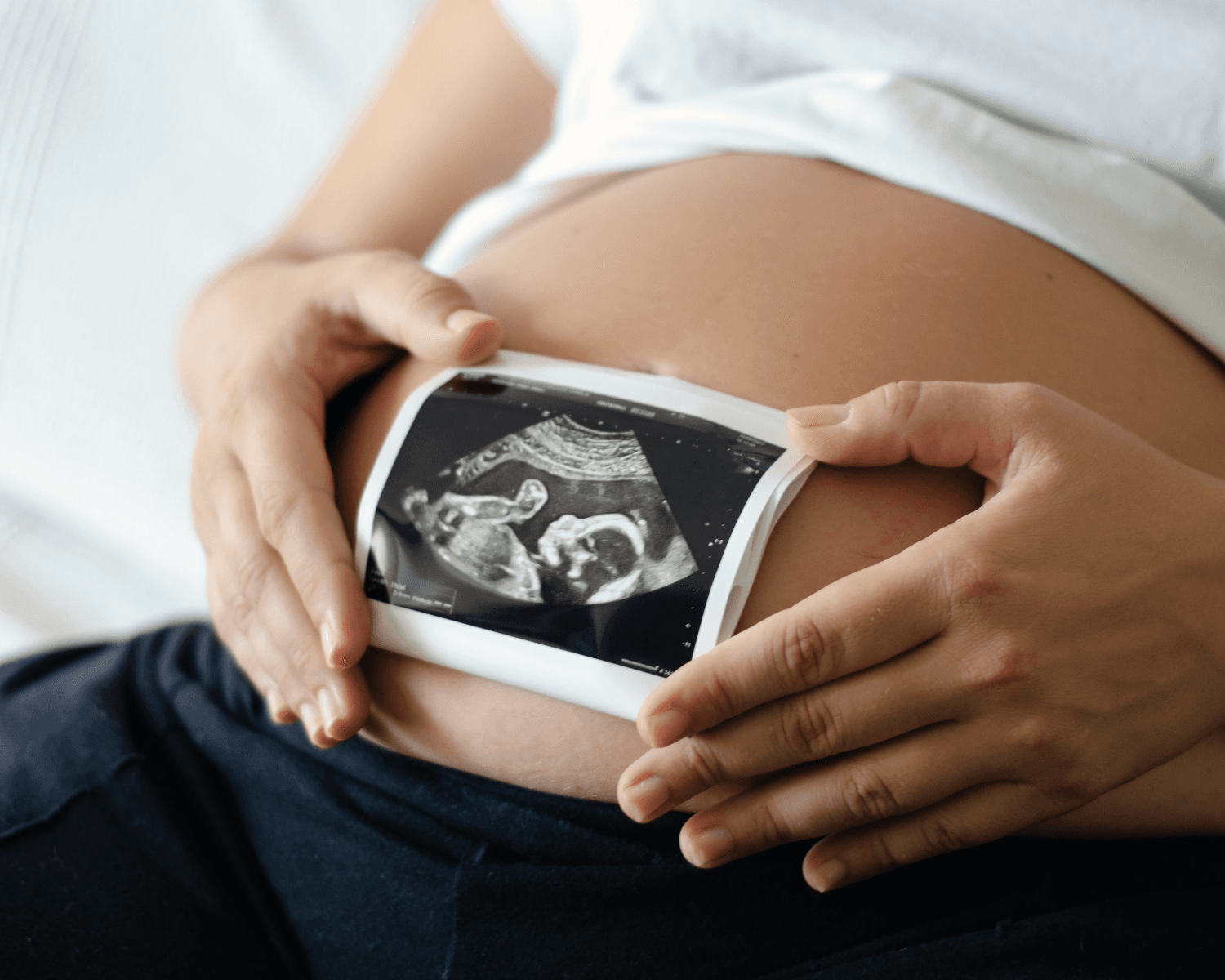
Your doctor may recommend an ultrasound scan during late pregnancy to confirm the ongoing normal growth of your baby.
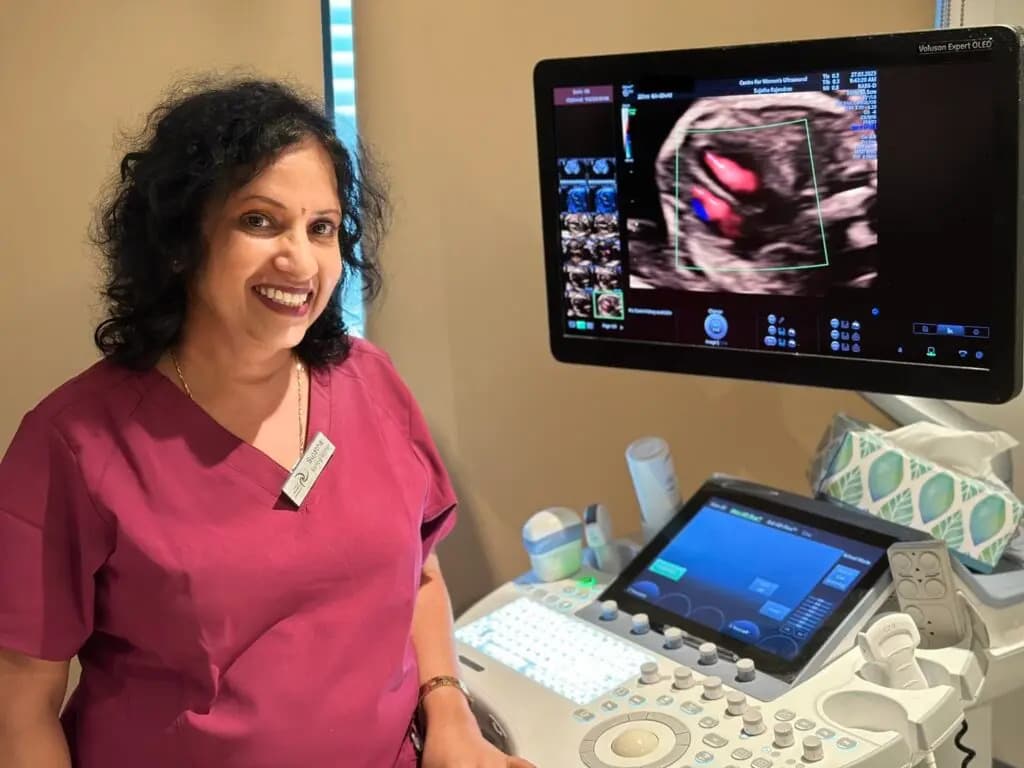
At the growth scan we are able to measure important growth parameters of your baby such as head measurements, abdominal/tummy measurements and limb measurements. This information helps us to provide an estimated weight of the baby and to ensure fetal development is on track for delivery.
During this scan, we will also check that the placenta is providing normally for the baby using a technique called Doppler waveforms. If there are any concerns about the wellbeing of the baby, further advanced techniques such as fetal Doppler are available to clarify the health of your baby.
We are also able to check the wellbeing of the baby during this scan by detecting fetal breathing, movement, tone and the amniotic fluid volume around the baby.
Our reports include centile graphs for normal development parameters of a baby during late pregnancy. These graphs help to identify whether your baby’s growth falls within the normal range and detect any significant problems with the pregnancy. The NSW Health now mandates that fetal growth charts are provided for all medically indicated growth scans using recommended reference graphs. At Centre for Women’s Ultrasound, you can be assured that our report with centile graphs are up to date and comply with government recommendations.
In most cases everything will be on track, however if any abnormalities are determined during this scan then one of our specialists will discuss this with you during a detailed assessment.
Why have I been recommended a scan in the third trimester?
A fetal growth scan at 20-40 weeks pregnant is a relatively routine scan. There are many reasons why this may be necessary for you including:
- Your doctor is concerned about the growth of your baby (too small or too large)
- You are concerned about the wellbeing of your baby
- Your have noticed a change in baby’s movements
- Low placental hormones in the first trimester such as PAPP-A or Placental growth factor
- You had a high-risk result in your preeclampsia screening in first-trimester testing
- You are carrying twins
- You have experienced bleeding in the third trimester
- The position of your placenta needs to be monitored
- The wellbeing of your baby needs to be monitored
- You have a medical condition prior to pregnancy or during the pregnancy such as high blood pressure, preexisting diabetes, gestational diabetes
We are happy to provide this scan with a doctor’s referral as requested from your obstetric team or for your reassurance without a referral. A report will be provided to you or your obstetrician as requested.
Our specialist has experience with high risk pregnancies
We have special expertise in assessing fetuses with growth restriction and if there is a concern, can provide the necessary information to help your obstetrician in making decisions regarding the management of the pregnancy. If another risk factor was determined early on in the pregnancy a fetal growth scan in the third trimester may be recommended to check up on the complication and make a plan for the birth.
Common questions
Can't find your answer here? Our team is happy to help before your appointment.
If the scan at the Centre for Women’s Ultrasound reveals an abnormality, rest assured that you will be provided with compassionate care and detailed guidance on the next steps. The highly experienced team, led by professionals in maternal-fetal medicine, will carefully explain the findings and ensure that you understand the implications. In many cases, additional scans or tests may be recommended to gather more information. The Centre for Women’s Ultrasound also collaborates with leading specialists to provide you with referrals or further consultations, ensuring you receive the most comprehensive support throughout your pregnancy journey.